Modern European Irredentism: Minority Party Politics and Ethno-Ideological Unification Across State Borders
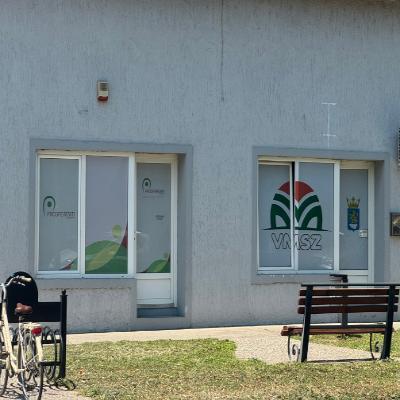
Changing borders in Eastern Europe, spurred on by the collapse of European ‘land empires’ after the First World War and the USSR and Yugoslavia after the Cold War, left ethnic/national populations distributed across state borders as minority communities. This research investigates how national homelands with co-national populations residing beyond their borders, project political influence within these communities abroad. While the proliferation of regional organizations – the EU, Council of Europe, OSCE – have seen redressing this by conquest superseded by diplomatic resolution, they have also facilitated alternative means of political unification distinct from territorial unity. These states work to coopt co-national minority political parties abroad into their own party structures consolidating power in minority communities and pursuing their political preferences, through (1) clientelism across borders, or the exchange of material rewards for political support; (2) monopolization of minority language media; and (3) transfer of organizational knowledge via political activists. Political-ideological communities thus span state borders and minority community politics is shaped not only by inter-ethnic bargains with majority communities, but by externally-derived preferences. This project investigates how this process has developed, the difference in strategies, and its outcomes in three distinct cases: the Turkish Cypriot community in Northern Cyprus, the Serbs in Kosovo, and the Hungarians in Romania and Serbia. While each case is distinct in how nationalist claims have been pursue, the political development of communal politics, and the influence of regional organizations, all demonstrate trajectories of cooption of minority parties into increasingly autocratic politics within national homelands.
Click below to view the various publications of The Cross Border Ethnic Politics in Southeastern Europe Initiative.